EPA 2023 Rule Cut 150 hp From New Heavy‑Truck Engines
You’ll see how the 2023 EPA emissions rule forced a dramatic redesign of diesel powertrains, and why most how‑to guides miss the ripple through chassis, cooling and warranty costs. The article pulls apart the engineering trade‑offs that most articles gloss over.
The moment the EPA announced its 2023 nitrogen‑oxide ceiling, fleet owners felt the floor drop under their balance sheets; the rule promised tighter smog limits, but the hidden cost was a cascade of redesigns that could shave a quarter of a million dollars off a new‑truck program if not managed correctly. Engineers were forced to choose between a compliance‑only engine that would overheat in desert heat or a premium‑priced package that required chassis reinforcement, and the wrong gamble could ruin a warranty cycle before the first mile was logged.
Why did the EPA tighten NOx limits in 2023?
The agency responded to a surge in urban diesel complaints, citing data that linked freight corridors to spikes in ozone formation during summer months. Legislators paired the environmental goal with a deadline that left manufacturers less than two years to prove compliance on a platform that had been stable for a decade. The rulebook demanded a measurable drop in grams per brake‑specific fuel consumption, a metric that directly attacks turbocharger efficiency and after‑treatment sizing.
What engineering shortcuts vanished overnight?
Previously, manufacturers relied on a single oxidation catalyst to scrub a modest fraction of exhaust, trusting that low‑speed operation would keep emissions within the old envelope. The new standard rendered that approach obsolete, forcing a dual‑stage selective catalytic reduction (SCR) system that consumes urea at a rate that rivals fuel consumption on long hauls. Engineers could no longer skimp on exhaust‑gas recirculation (EGR) flow; the valve sizing had to double, and the associated piping grew heavy enough to shift the vehicle’s center of gravity.
How manufacturers reshaped block casting and turbo layouts
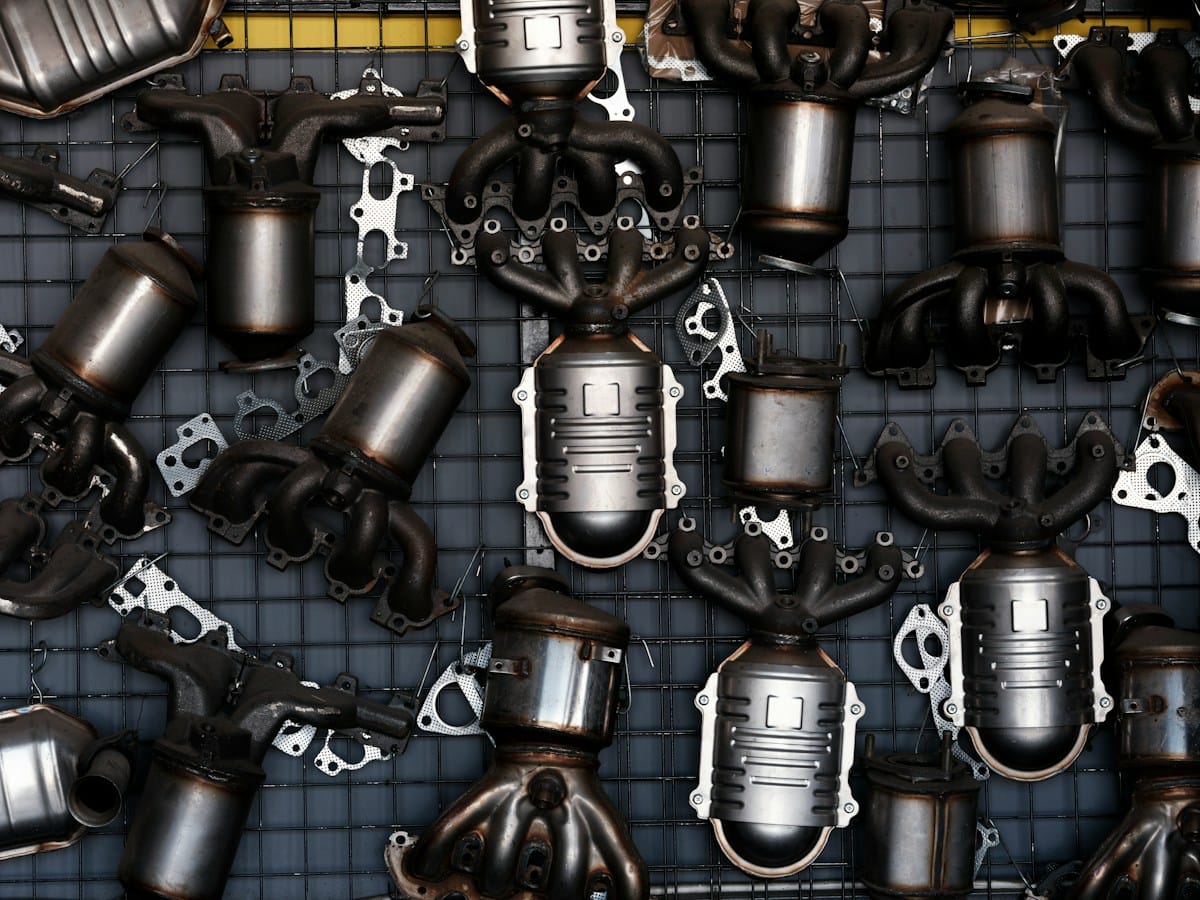
Foundries shifted from a traditional iron‑capped cylinder block to a compact, high‑strength alloy that could accommodate an extra coolant channel without adding bulk. The redesign meant that the bore‑stroke ratio increased by a few percent, a change that reduced peak torque but improved the engine’s ability to run leaner mixtures required for lower NOx. Turbochargers migrated from a single‑scroll design to a twin‑scroll configuration, a move that smooths exhaust pulsations and allows the SCR to see a steadier flow, but it also demands a sturdier turbine housing that adds a few hundred pounds to the front of the powertrain.
Which downstream systems felt the squeeze?
The larger SCR injector assembly forced a redesign of the under‑body skid plate, which now needed to clear a wider urea tank that sits beneath the frame rails. Cooling fans, once sized for a 200 kW heat load, were upgraded to a variable‑speed unit that can pull an extra kilowatt when ambient temperatures exceed 95 °F, a requirement that strains the electrical system and often triggers an upgrade to a higher‑capacity alternator. Brake actuators, calibrated for the original engine’s torque curve, had to be retuned to prevent premature fade during the new low‑torque operating window.

Practical steps for fleet managers to stay compliant without blowing up budgets
First, audit the current engine models in service and flag any units that were built before the 2022 model year; those are the most likely to need an SCR retrofit kit. Second, request a detailed parts list from the OEM that separates the urea tank, catalyst housing, and upgraded fan from the base engine price; this transparency lets you compare vendor proposals without hidden line items. Third, negotiate a bulk‑purchase agreement for urea containers that caps the per‑gallon cost at a level you can verify against market rates, typically a range that sits below the retail price seen at truck stops. Fourth, schedule a phased retrofit plan that tackles one depot at a time, spreading labor costs over several quarters and allowing you to monitor fuel‑efficiency gains before committing to the next batch. Finally, allocate a contingency fund that covers unexpected chassis reinforcement repairs; the amount usually falls within a range that can absorb a few thousand dollars per truck, preventing surprise write‑offs when the upgraded exhaust system stresses the frame.
What to double‑check before signing any retrofit invoice
Confirm that the SCR module bears the EPA certification label matching the 2023 rule number, because uncertified kits can void emissions compliance and trigger fines. Verify that the urea tank’s mounting brackets are fabricated from corrosion‑resistant steel, as a cheap alloy will rust in humid climates and force premature replacement. Ensure the invoiced labor hours align with the manufacturer’s service bulletin, which typically lists a specific window for installation and testing; any deviation should be justified in writing before the payment is processed.
Keep reading
Why 70% of New Truck Budgets Go to Mack, Freightliner, Peterbilt
Readers discover how mergers, financing tricks, and driver trust keep the Big Three on top, and why most cost‑cutting guides miss the hidden levers. The piece shows where real savings hide and where they evaporate.