Why Battery Packs Stall Class 8 Electrification
You’ll see the real cost drivers and engineering snags that keep electric Class 8 trucks from rolling off the lot. Most guides skim over battery weight, charging infrastructure, and the regulatory maze, leaving fleets with surprise expenses.
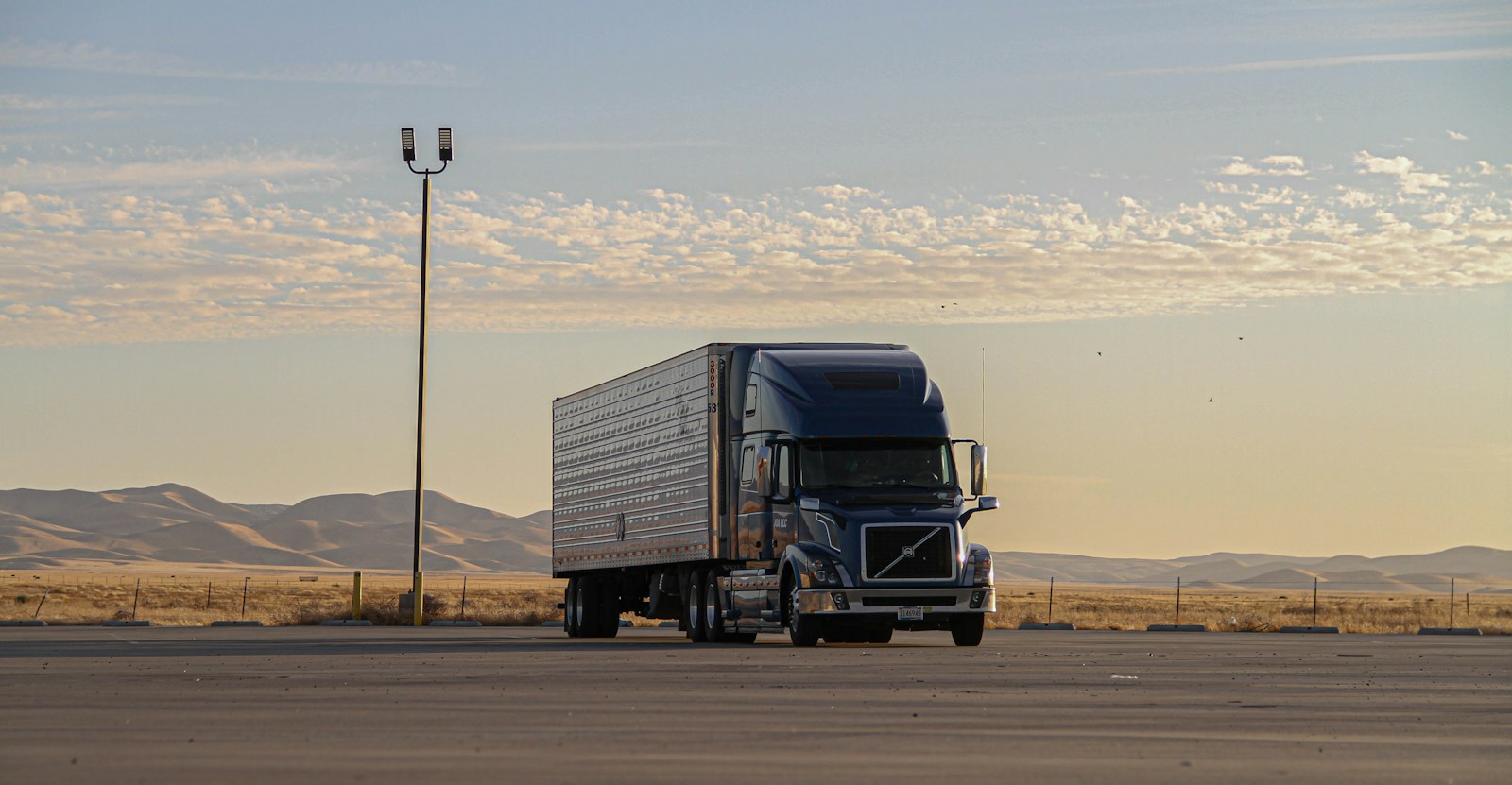
The promise of zero‑emission hauls looks good on paper, but every fleet that tried to replace a 600‑hp diesel with a 400‑kWh battery ran into three brutal realities: a price tag that swallows operating margins, a weight penalty that erodes payload, and a regulatory timetable that moves slower than a diesel‑fuel pump line on a hot day.
Can a Battery Fit Where a Diesel Engine Lives?
The space once occupied by a V8 block, turbocharger, and after‑treatment system is now a slab of lithium cells that demands a rigid frame, cooling loops, and fire‑suppression piping. Swapping the engine for a pack without redesigning the ladder frame leads to sagging suspensions and premature tire wear.
Engineers who keep the original chassis often add a secondary subframe that pushes the battery forward, but the shift moves the center of gravity and forces a lower ride height to stay within legal axle loads. The compromise usually means a reduction of 2–4 % in gross vehicle weight rating, directly cutting the amount of freight each trip can carry.
Do Charging Times Turn Routes Into Bottlenecks?
A 350‑kW DC fast charger can refill a 400‑kWh pack from 20 % to 80 % in roughly 45 minutes, yet most long‑haul schedules permit only a 15‑minute driver break. The mismatch forces operators to add a dedicated layover, trimming the number of runs a driver can complete in a week.
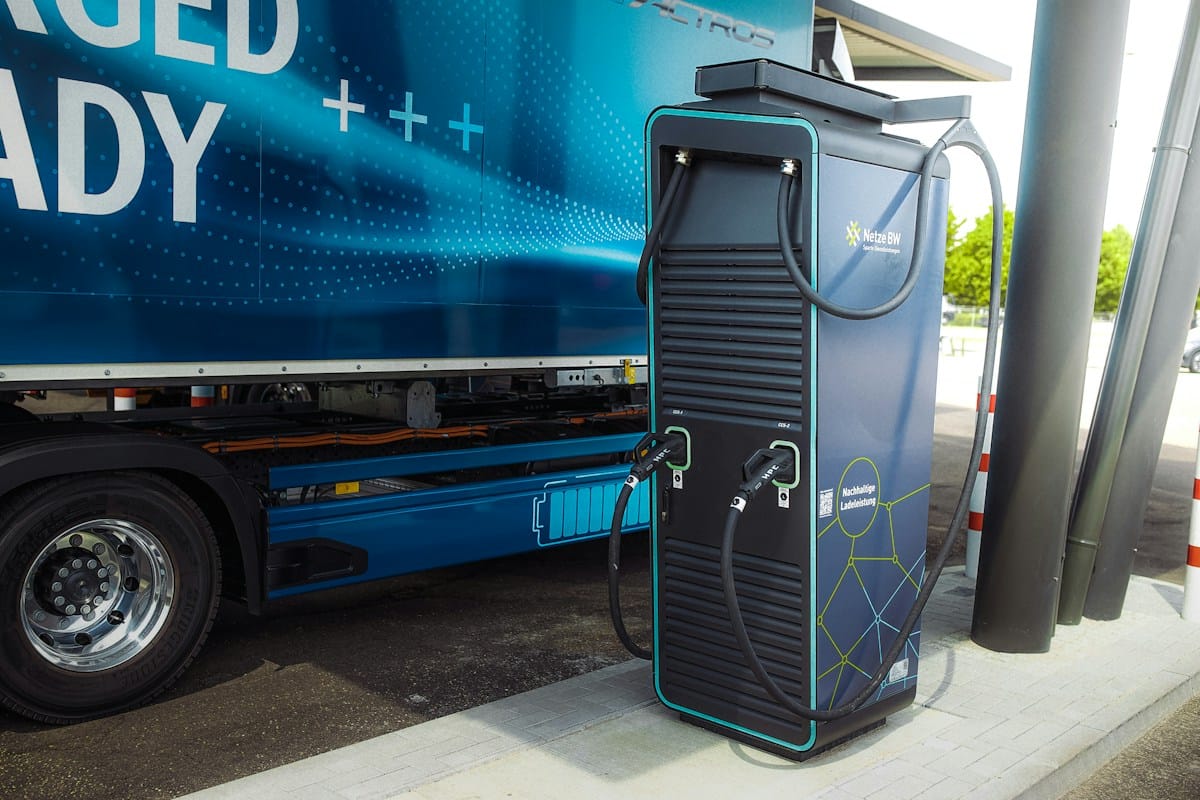
Infrastructure scarcity compounds the problem. Rural depots often lack the three‑phase power needed for high‑speed chargers, meaning trucks must rely on 150‑kW units that double the refill interval. The resulting idle time can erode revenue by tens of thousands of dollars per vehicle annually.
Are Battery Costs Really Just the Pack Price?
The headline number—$200,000 to $300,000 for a 400‑kWh pack—excludes the thermal‑management system that circulates coolant through thousands of cells. That subsystem alone can add $30,000 to $50,000, especially when redundancy is required for long‑distance compliance.
Beyond hardware, insurers treat electric powertrains as higher‑risk assets, charging premiums that rise 10–20 % compared with diesel equivalents. Depreciation schedules also differ; a battery loses usable capacity at roughly 2–3 % per year, forcing a mid‑life replacement that can approach half the original pack cost.
What Regulations Force Fleet Managers to Wait?
The EPA’s Phase 2 emission standards still reference diesel engine outputs, leaving electric manufacturers to petition for “alternative compliance” pathways that can take 12–18 months to approve. Until a waiver is granted, a fleet cannot claim credit toward its mandated fleet average.

State incentives in California and New York expire at the end of each fiscal year, yet the application process requires detailed engineering drawings and a proof‑of‑concept test run. Missing the filing deadline forces fleets to wait for the next cycle, extending the payback horizon by at least a year.
How to Build a Viable Business Case (Step‑by‑Step Costs)
- Battery acquisition – budget $200 k–$300 k per unit, depending on energy density and warranty length.
- Integration engineering – allocate $50 k–$100 k for chassis reinforcement, wiring harnesses, and software calibration.
- Charging hardware – expect $30 k–$80 k for a 350‑kW DC fast charger, plus $5 k–$12 k for site preparation and utility upgrades.
- Operator training – set aside $5 k–$15 k per driver to cover safety protocols, regenerative‑brake handling, and emergency procedures.
- Ongoing maintenance – plan for $10 k–$20 k annually for battery health monitoring, coolant replacement, and firmware updates.
When you plug these figures into a net‑present‑value model, include the cost of lost payload: a 3 % reduction in payload translates to roughly $8 k–$12 k less freight revenue per 1,000‑mile haul. Add the average downtime cost of $150 per idle hour, and the break‑even point often slides beyond the typical five‑year vehicle lifecycle.
Financing options range from lease‑to‑own structures that spread the upfront outlay over 48 months to government‑backed low‑interest loans that cover up to 80 % of the pack price. Timing a grant application to coincide with the charger installation can shave several thousand dollars off the total capital expense.
What to Double‑Check Before Paying Anything
Verify the warranty covers a minimum of eight years or 1.5 million miles, whichever comes first, and that it includes a prorated capacity guarantee at the end of term. Scrutinize the total cost of ownership model supplied by the OEM; ask for a line‑item breakdown that separates pack cost, integration labor, and software licensing.
Confirm that the charger’s connector type matches the truck’s inlet and that the power rating aligns with the fleet’s duty‑cycle profile. Finally, read the fine print on performance guarantees and exit clauses; hidden fees for early termination or mandatory software updates can inflate the bill after the contract is signed.